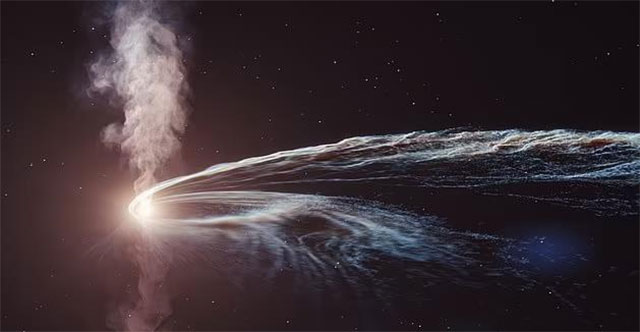
Space scienceA strange phenomenon described by Harvard scientists as a cosmic burp has been recorded by the Very Large Radio Telescope system located in New Mexico, USA.
June 6, 2025
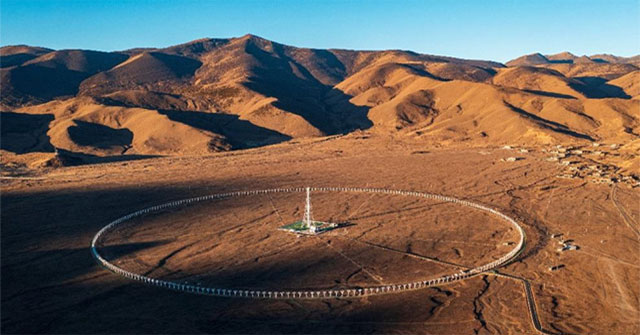
Scientific worksChina is in the process of building the world's largest fully steerable radio telescope, located in Huadian City, Jilin Province, northeastern China.
December 9, 2024

Space scienceA dead world located 8,100 light years away from us suddenly emitted a never-before-seen radio signal after more than 10 years of disappearance.
April 12, 2024
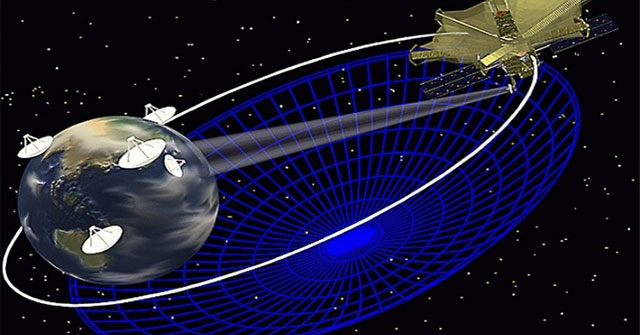
Space scienceChina will launch an observatory orbiting the Moon to create a radio telescope with a diameter of 400,000 km.
April 4, 2022
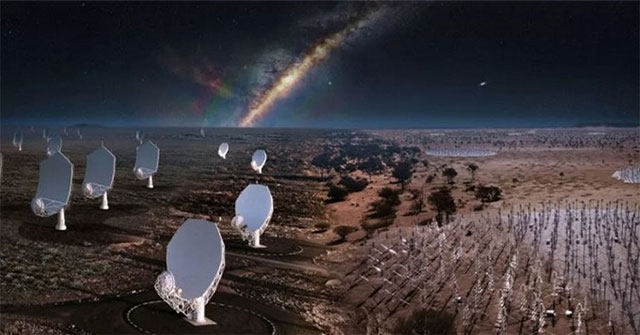
Scientific worksThe Square Kilometer Array Observatory (SKO) can peer deeper into the universe than any previous radio telescope, providing sharper images than Hubble.
November 5, 2021

Space scienceChina and the Netherlands work together to operate a radio observatory in a satellite orbiting the Moon's dark side in order to receive signals after the Big Bang.
December 11, 2019
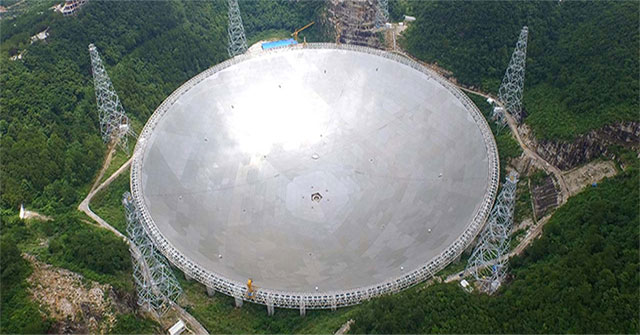
Space scienceThe world's largest radio telescope FAST detected more than 100 radio signals from a source three billion light-years from Earth.
September 14, 2019
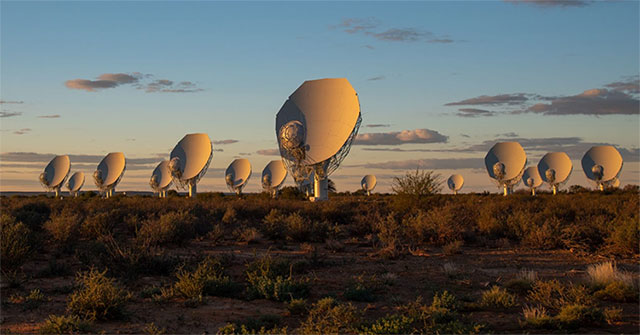
Scientific worksBy linking optical telescopes and radio telescopes, this system provides the world's most advanced tool for astronomical research, when experts can simultaneously see an…
May 13, 2019
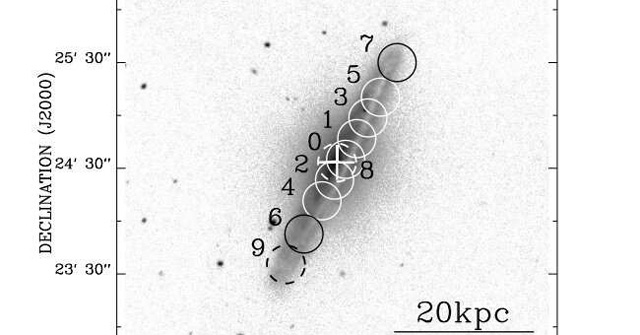
Space scienceThe team of astronomers used a 30m IRAM radio telescope in Spain to conduct observations of its stream of carbon monoxide and isotopes from NGC 5908 spiral galaxy.
May 3, 2019
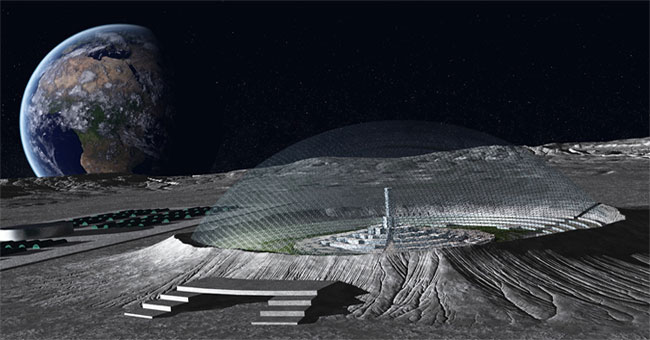
Discover scienceChina is focusing on developing space science, including building and putting the world's largest radio telescope into operation, according to Newsweek.
December 19, 2018
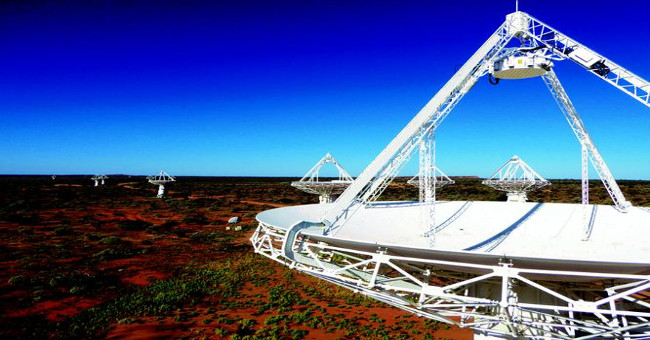
Space scienceAustralian researchers have recently developed a method that allows scientists to look deeper into space.
December 17, 2018
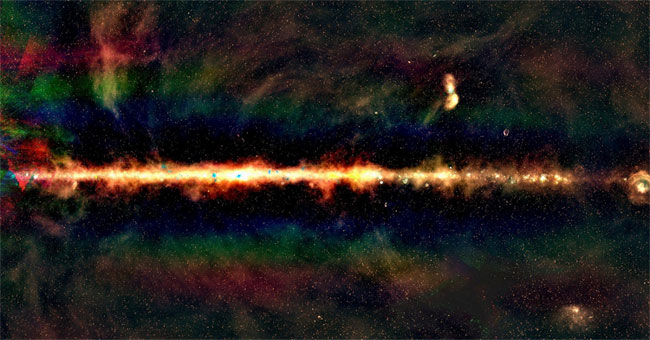
Space scienceThanks to a $ 50 million radio telescope, astronomers can now admire space under the look of a
December 17, 2018
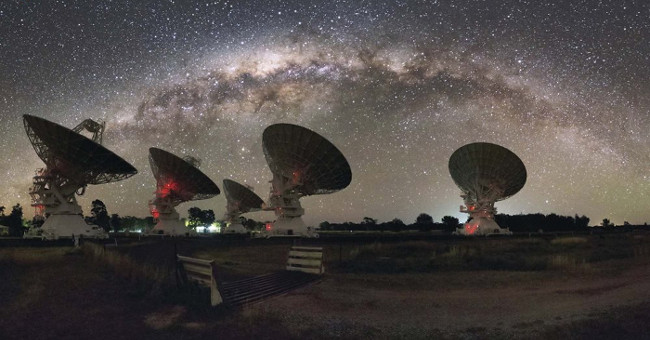
Space scienceThrough radio waves, astronomers can calculate the amount of matter they pass through, thus finding the mass of the universe.
December 17, 2018
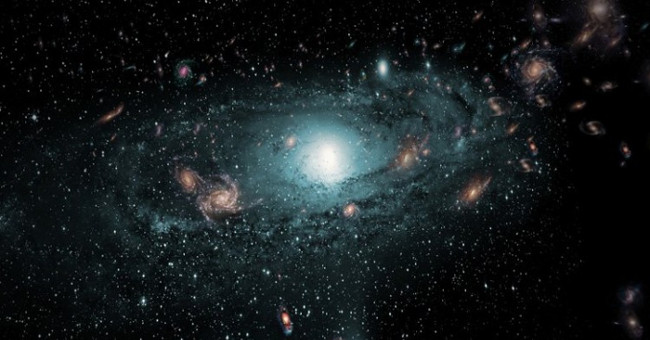
Space scienceAstronomers discovered hundreds of new galaxies after using radio waves to see through the Milky Way's star system and dust.
December 17, 2018

Space scienceThe building, which is as big as 30 football fields, will allow scientists to collect signals tens of billions of light years from Earth when inaugurated in 2016.
December 17, 2018